




.jpg)
Issue #4:
Why Some Shifts Produce $500 More Than Others (The 3 Conditions Behind It)
Every operator has seen it.
Two shifts. Same store. Same product. Same pricing.
One shift hits the number easily.
The other struggles all day.
Nothing about the business changed.
So what did?
My dad accidentally answered that question years ago while refereeing a lacrosse game.
My dad has spent decades refereeing lacrosse at a very high level. He’s even been inducted into the Lacrosse Hall of Fame.
But the games that test referees the most aren’t the championship games.
They’re middle school and high school games.
Anyone who has attended youth sports knows the scene: a parent in the stands who believes every call is wrong. Most referees ignore it. Some argue back. Some threaten to eject people.
My dad developed a different strategy.
When one parent crossed the line, he would blow his whistle and stop the game.
Players froze.
Coaches looked up.
The field went quiet.
Then he slowly turned to face the stands.
And he waited.
That moment reveals something most managers miss inside their own businesses.
Behavior rarely changes because the authority figure tells people to change it.
Behavior changes when the environment makes a different outcome inevitable.
Inside most stores, performance is still managed the same way it was twenty years ago.
Managers remind people.
Corporate sends memos.
Dashboards track the numbers.
And nothing moves.
Not because the people are the problem.
Because the conditions that produce winning shifts are missing.
Every high-performing shift operates under three conditions.
Without them, nothing moves.
Condition 1: A Clear Goal
Most frontline teams don’t actually know what winning looks like.
They’re told to “drive sales.”
They’re told to “deliver great service with a smile.”
Those aren’t goals. They’re slogans.
Winning shifts operate under real goals. Specific ones.
“Today’s target is $2,500.”
Now the team knows exactly what matters. Clarity removes hesitation.
The late Honorée Corder often taught that goals must be SMART:
Specific.
Measurable.
Attainable.
Risky.
Timebound.
When a goal meets those standards, something changes immediately.
People stop guessing.
They start playing the game.
Condition 2: A Reason to Care
The goal must also matter to the people working the shift.
Not to corporate.
Not to the brand.
To the people standing between the customer’s wallet and the company’s bank account.
When the outcome affects the team in a meaningful way, the goal stops being abstract.
It becomes personal.
Ownership appears.
Energy follows.
And the shift stops feeling like a job.
It starts feeling like a team effort.
Condition 3: Immediate Feedback
Most operators lose momentum here.
Feedback must happen during the shift, not after it.
If the team learns tomorrow that they missed the goal, behavior does not change.
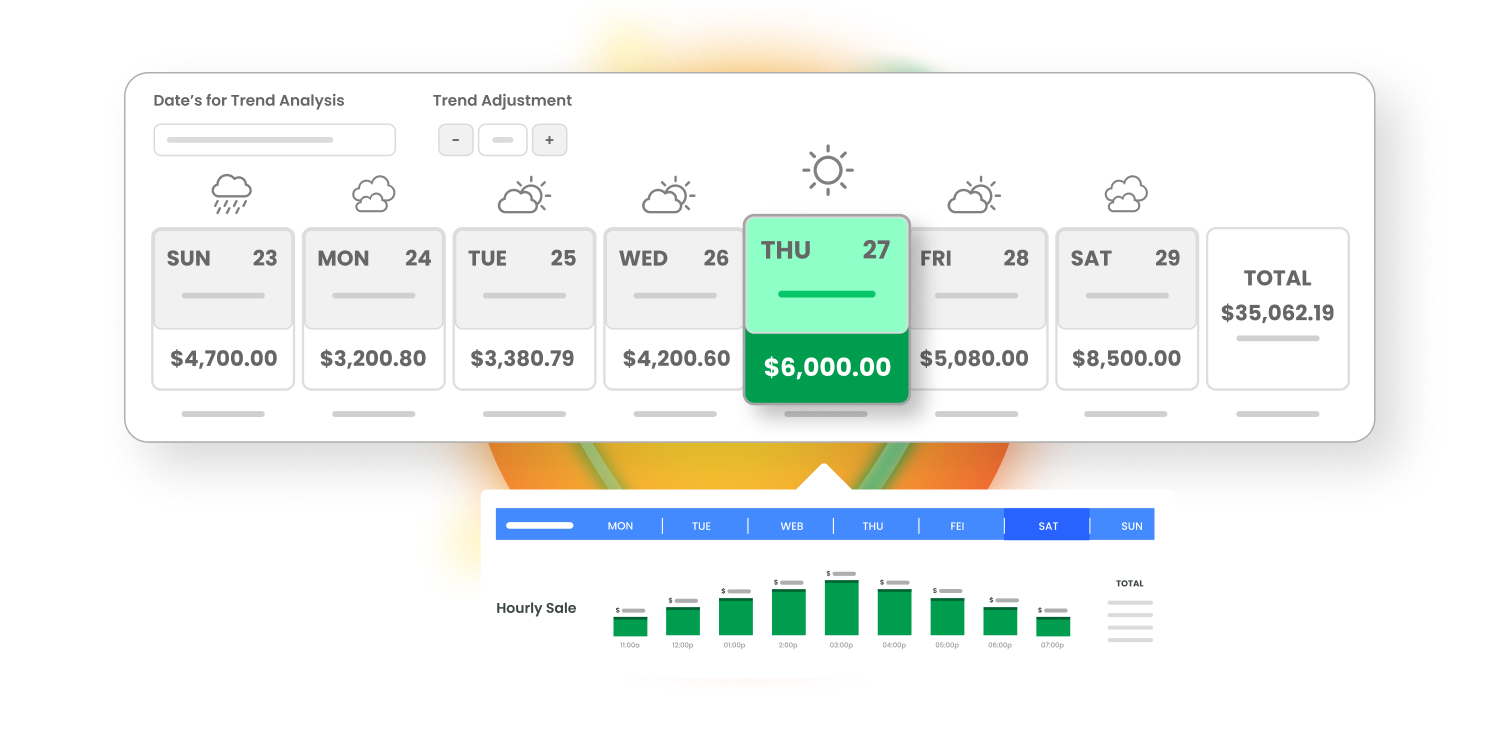
But when the score is visible in real time, something happens instantly.
Attention sharpens.
Energy rises.
The team begins pushing together.
One operator described it this way:
When the team sees the score moving, they lean in—refreshing product, tightening service, and looking for small wins that compound into real sales.
Visibility doesn’t just show performance.
It creates it.
Now back to the lacrosse field.
Standing there, whistle in hand, my dad finally spoke to the crowd.
“The game is paused until the person being disruptive leaves.”
And then he waited.
Players stood still.
Coaches stood still.
Everyone looked at the stands.
And every time, the same thing happened.
The crowd handled the problem themselves.
The moment the goal became shared—get the game started again—the crowd stopped acting like individuals and started acting like a group.
The behavior corrected itself.
The same dynamic shows up inside the best stores.
When the team knows the goal…
When the outcome matters…
And when the score is visible in real time…
People stop acting like employees.
They start acting like teammates.
And when behavior changes inside the shift, the numbers move outside it.
Revenue follows behavior.
Always.
Subscribe and follow along for the next 6 weeks as I share how it all fits together.