



Most “restaurant tech” stories start in an office park.
Mine started behind a pretzel counter.
I bought my first Auntie Anne’s in Nashville at 22. One store turned into a handful. A handful turned into 50+ locations and $35–$40M a year in sales.
On paper, that looks like a dream.
In real life, it meant this:
“I couldn’t live in the store, be there all day every day anymore… but we still needed a way to tell every employee exactly what success looked like, one hour at a time.”
Like most operators, I did what you’re probably doing now:
-
Built perfect spreadsheets
-
Laminated checklists
-
Tried to incentivize people with manual calculations
-
Pulled late nights trying to make sense of it all
And then I hit the wall.
The spreadsheets got bigger. The numbers got blurrier. The gap between “what I wanted to happen” and “what actually happened on a Tuesday shift at 3:00 pm” kept widening.
That’s the moment I realized that nothing was going to change if nothing changed.
Instead of squeezing one more percent out of the same old systems, I decided to build something new — a different way to run the business entirely.
I hired a development team and built what became Zignyl:
-
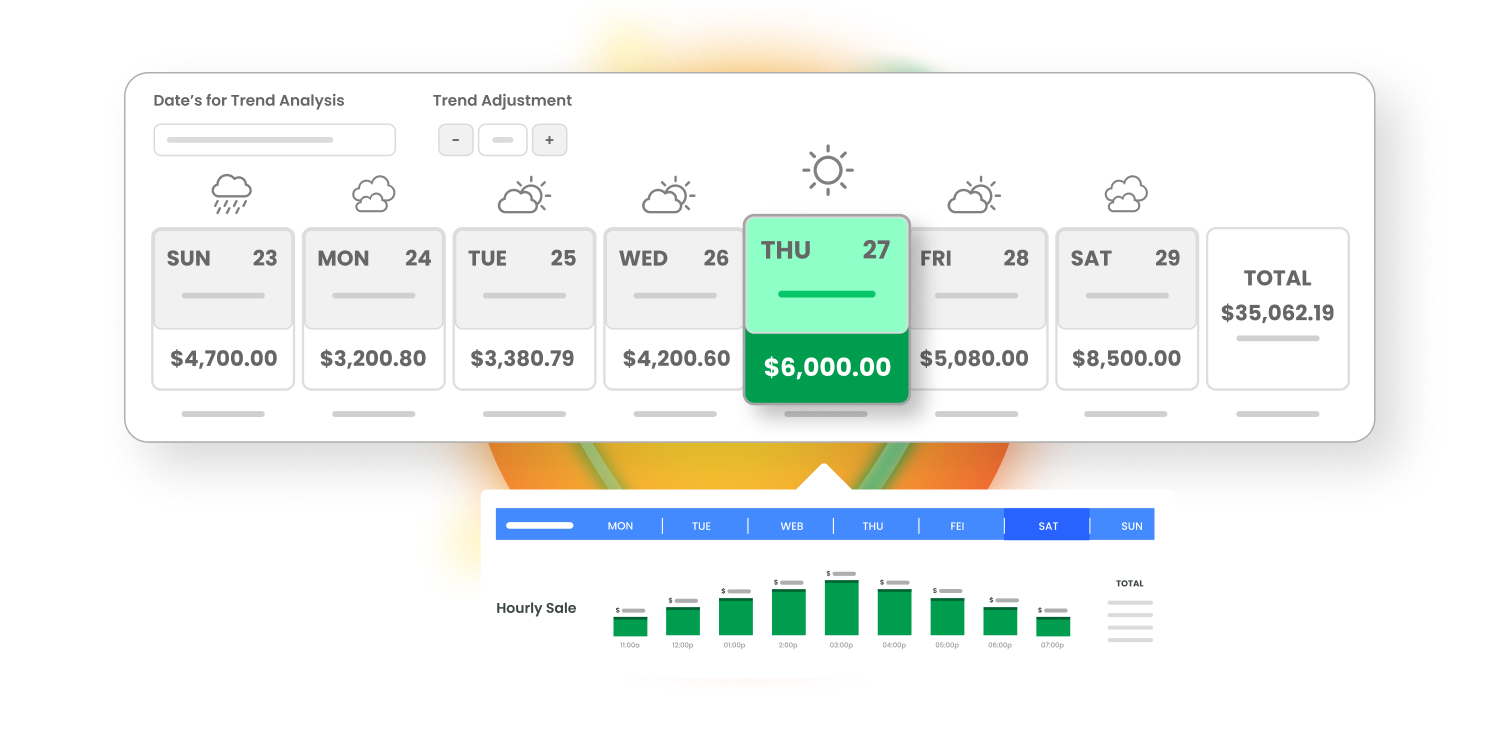
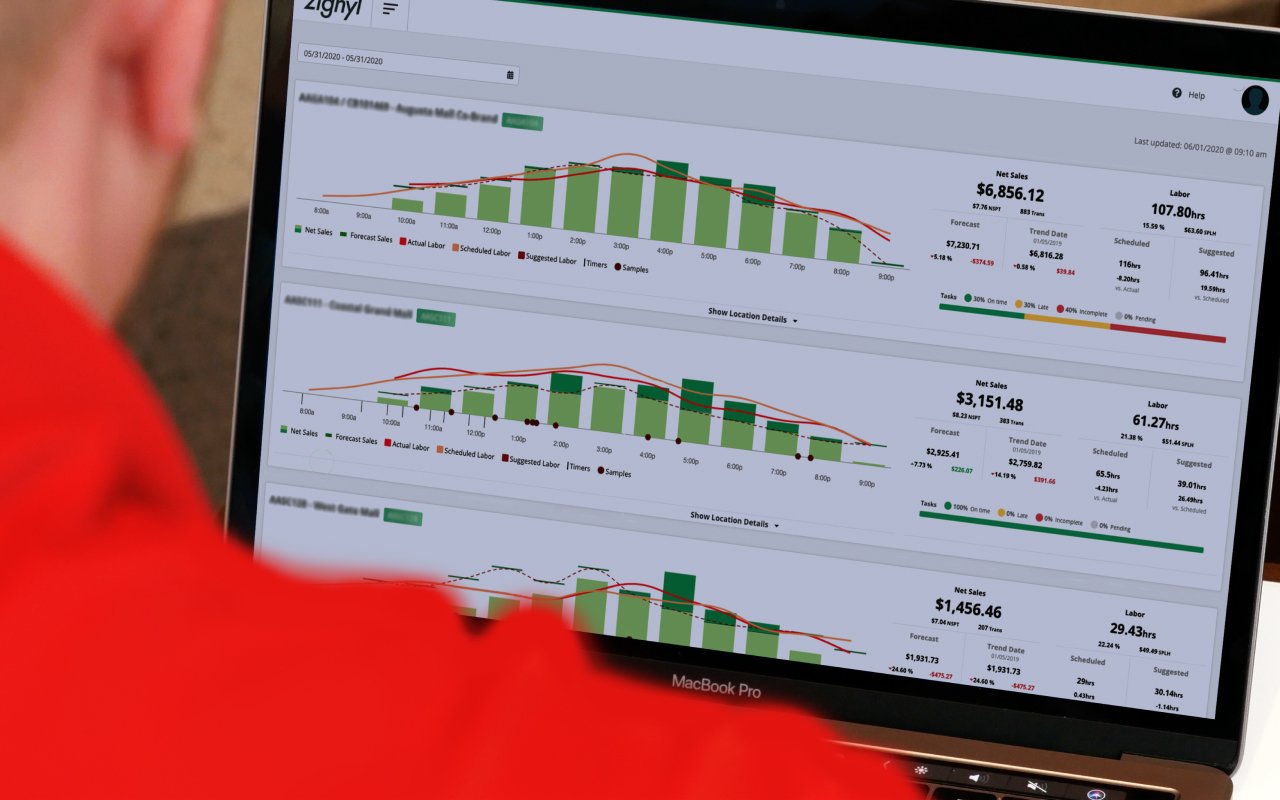
Forecasting tied to reality – schedule hours to the right times, not just hit a weekly total.
-
Incentives that actually move people – “If sales are $500 above forecast today, everyone on the shift earns more per hour.”
-
Frontline coaching inside every shift – clear tasks, clear expectations, clear feedback.
The impact inside our own portfolio was immediate:
Managers stopped guessing. Hourly team members started calling and texting each other after shifts: “Where did sales land today?” That extra 25¢ down the street suddenly looked small next to the extra $1–$3 they could earn when the store wins.
I didn’t build a “better labor tool.” I built a new operating system for the frontline — one that lets:
-
Single-unit lifestyle owners finally step out of the weeds
-
Multi-unit operators align dozens of locations around the same daily behaviors
-
PE and investor groups trust that stores are actually executing the playbook they paid for
And only then did I make it available for others.
Today, when I sit with a franchisee, I'm not pitching software. I am handing them the same bridge I walked across:
From “I have to be in the store” To “My stores run like I’m there — even when I’m not.”
If you’d like to see what that looks like inside your brand, click SCHEDULE DEMO and I’ll walk you through exactly how I applied Zignyl inside our own 50+ units.